For CHROs navigating Asia's complex regulatory and talent landscapes in 2026-2027, the message from Quasar Medical's digital transformation is unequivocal: unified, AI-powered workforce platforms are no longer optional for organisations operating across multiple jurisdictions.
As medical device Contract Development and Manufacturing Organisations (CDMOs) face intensifying competition for specialised engineering talent and mounting compliance obligations, HR leaders must prioritise systems that deliver real-time visibility and actionable intelligence.
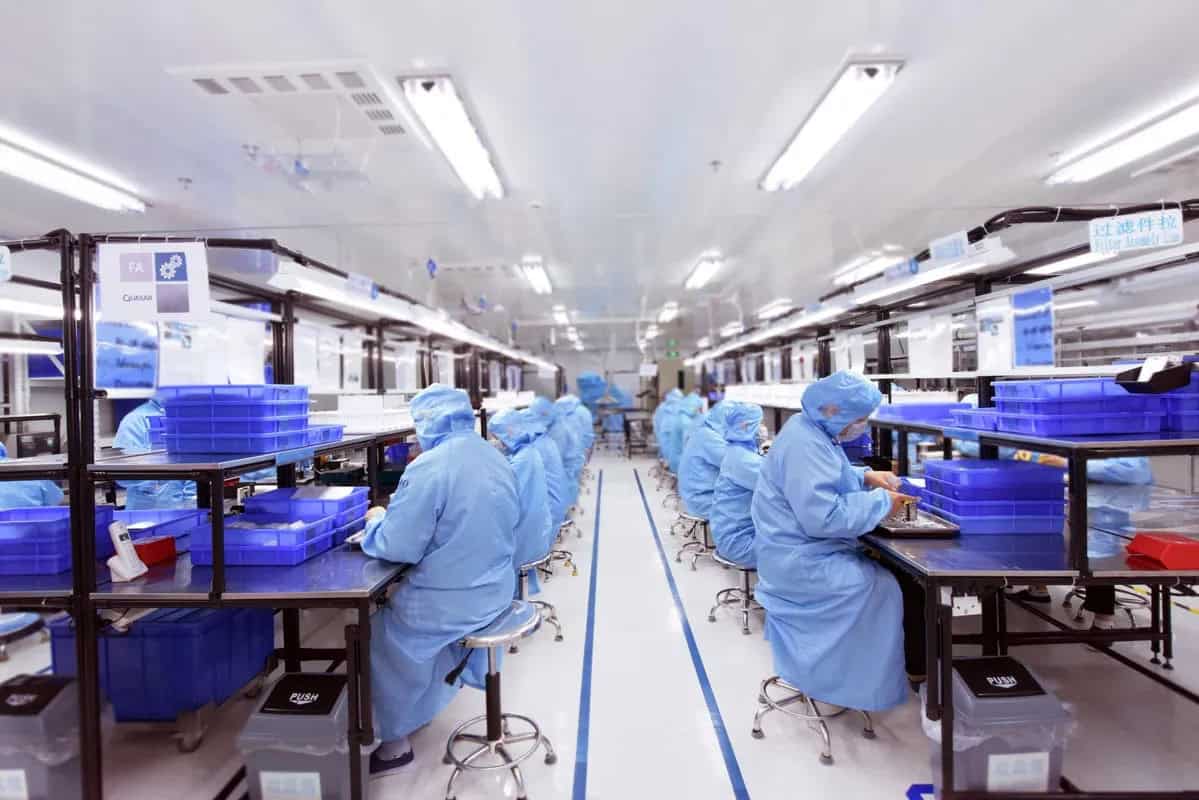
Quasar Medical's deployment of Workday's AI platform across 11 facilities in China, Singapore, Thailand and Mexico exemplifies how forward-thinking organisations are tackling the intersection of global expansion and workforce complexity[citation:0].
With over 4,500 employees, the company requires AI-powered insights to manage specialised engineering talent and maintain complex certification records essential for medical-grade micro-assembly—a challenge that resonates across Asia's rapidly scaling manufacturing sectors.
"The potential of AI for HR is really coming into its own," as one industry analyst recently observed. "HR's role is to lean into this potential and promote the role of the CHRO as a strategic partner to the business." Quasar's approach validates this shift, leveraging Workday's AI capabilities not merely for administrative efficiency but for strategic workforce planning and skills gap identification.
For CHROs across Asia, Quasar's adoption of Workday Global Payroll Connect addresses a persistent pain point: navigating diverse labour regulations across Asian hubs. By consolidating people and payroll data on a single AI-powered platform, the organisation transforms workforce data into actionable insights—supporting both specialised employees and long-term growth objectives.
This is particularly critical given Asia's widening skills gap; as digital transformation accelerates, data skills are four times more in demand than current supply, according to industry analysis.
The integration of Workday Peakon Employee Voice further signals a strategic evolution: real-time sentiment analysis across manufacturing facilities enables proactive engagement strategies in a fiercely competitive market for engineering talent[citation:0]. For CHROs, this represents a fundamental shift from reactive to predictive workforce management.
The broader imperative is clear: as CDMOs and pharmaceutical manufacturers expand across Asia, the winners will be those who combine the smartest systems with the smartest teams. Organisations must invest in rapid upskilling and redesign hiring practices to mitigate algorithmic bias while competing effectively for tech talent.
With AI reshaping pharmaceutical operations faster than many predicted, skill-refresh cycles have compressed from 3-5 years to as little as 6-12 months.
For CHROs in 2026, the question is no longer whether to adopt AI-driven HR platforms, but how quickly they can deploy them to build resilient, future-ready workforces.