China is not merely participating in the AI boom; it is helping define the next phase of it. IDC argues that the market has moved beyond infrastructure build-out and into large-scale enterprise adoption, with China pulling further ahead as AI becomes embedded in business operations, industrial systems and intelligent devices.
IDC CEO Lorenzo Larini said the speed of change in China is unlike anything the firm has seen before, adding that China is “not a market you can afford to observe from a distance” because it is “actively shaping how the world moves”.
AI supercycle takes shape
IDC says global enterprise AI spending will reach US$940 billion in 2026 and rise to US$2.1 trillion by 2029, with China among the fastest-growing markets worldwide.
The firm describes this as the “AI Supercycle”, a shift from compute and foundation models towards enterprise applications, Agentic AI and intelligent services at scale. In Beijing, IDC framed China as a market that is not waiting for the next wave, but actively shaping it.
China’s expanding lead
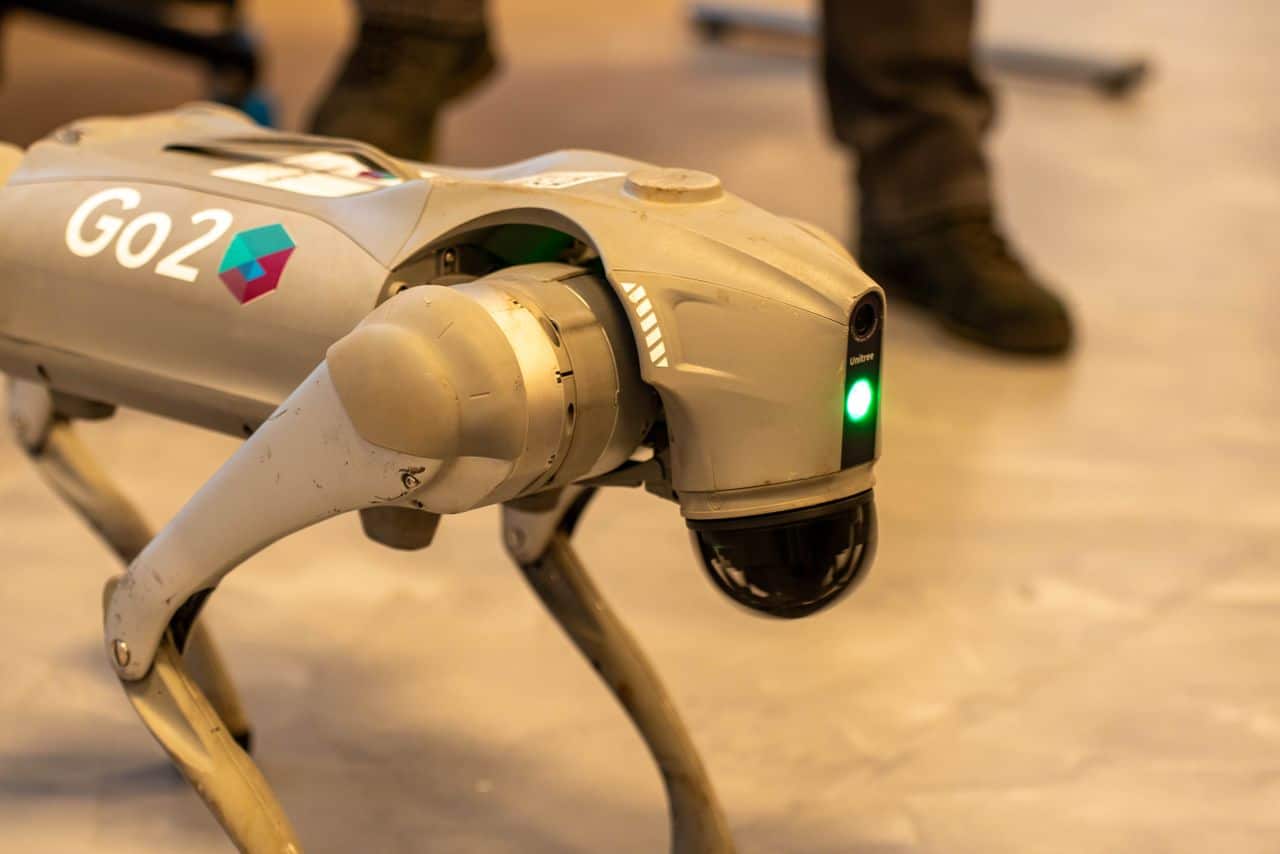
The scale of China’s momentum is visible in several forecasts. IDC expects spending on embodied intelligence in China to climb from US$1.4 billion to US$77 billion within five years, a 94% compound annual growth rate.
The country is also on track to become the world’s largest robotics market by 2029, while its Model-as-a-Service market is forecast to reach 40,000 trillion token calls in 2026 and grow at a 1,154.9% CAGR from 2024 to 2030.
Enterprise adoption deepens
Kitty Fok, managing director at IDC China, said the market has entered the second phase of the AI Supercycle, moving from “infrastructure build-out to enterprise application explosion”.
IDC says more than 60% of leading Chinese enterprises have already integrated generative AI into core business processes. That adoption is shifting the economics of AI from experimentation to execution, with tokens now emerging as the key unit of both cost and value.
The message from IDC is clear: the competitive edge is no longer just about who has the most compute, but who can turn AI into usable business capability at the lowest token cost.
Industrial and device shift
IDC also highlighted industrial AI as a major growth engine, with Chinese manufacturers using AI across production, supply chain management and after-sales service.
At the device layer, the firm expects 900 million smart devices to ship in China in 2026, but says the buying logic is changing: hardware specifications matter less than intelligent experiences and ecosystem capabilities.
For Asia’s technology leaders, the implication is straightforward: China is no longer just a large AI market, but the region’s most consequential testbed for AI at scale.