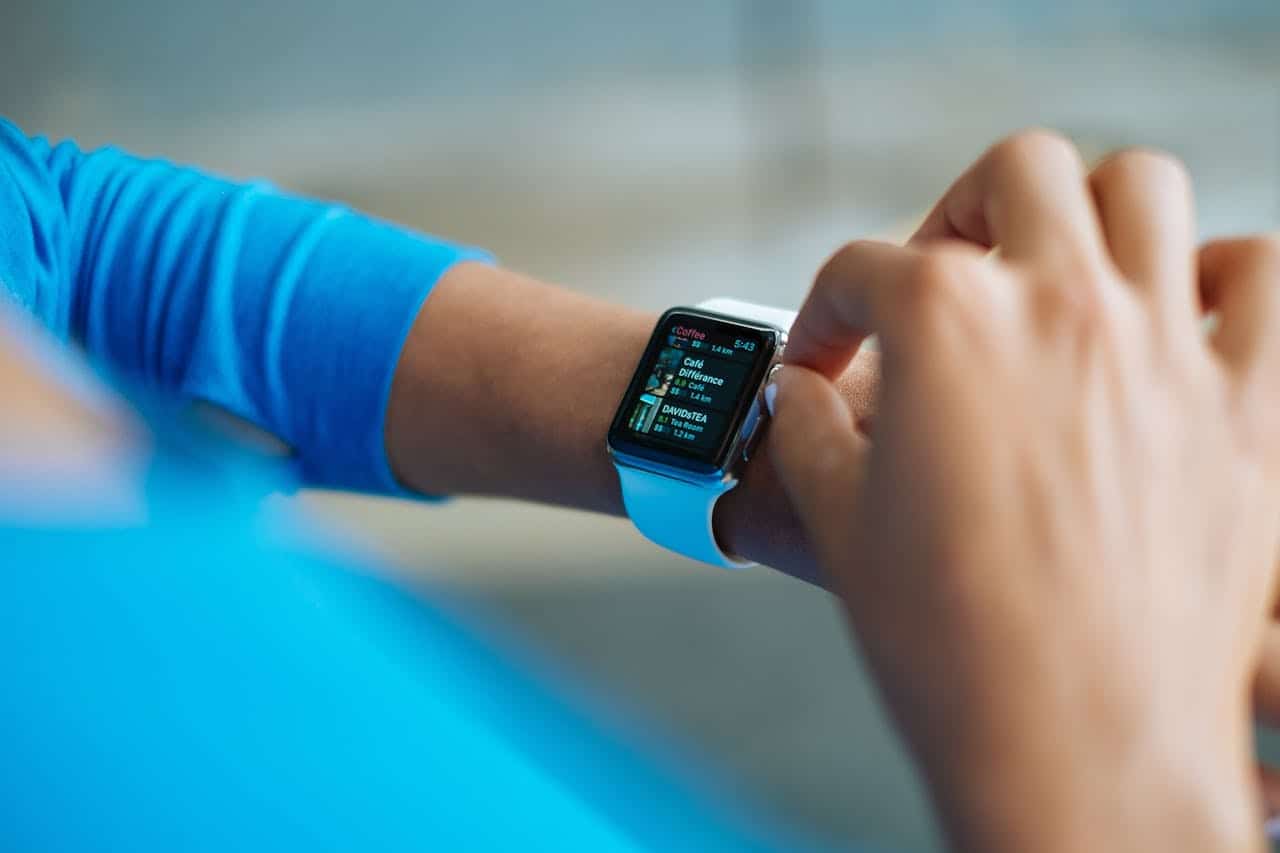
A fundamental shift is occurring in how organisations approach employee health and well-being. Smart wearables are transitioning from consumer fitness gadgets into strategic tools within corporate wellness strategies. This is especially evident in Asia’s high-pressure, high-density work environments, where long working hours, sedentary desk routines, and lifestyle-related health risks are prevalent.
In many Asian workplaces, cultural factors such as strong hierarchies and “presenteeism”—the tendency to attend work even when unwell—can discourage employees from openly discussing health concerns.
Wearables offer objective, discreet insights that empower individuals to manage their own health while enabling employers to design more effective, aggregated wellness programs. When implemented with strong privacy protections, these devices bridge personal empowerment and organisational support without crossing into surveillance.
From consumer trends to corporate adoption
Analyst reports from 2026 highlight the maturation of the wearable market, with growing emphasis on practical utility, health monitoring, and AI-driven personalisation rather than novelty. In Southeast Asia and broader Asia-Pacific, corporate wellness programs are expanding rapidly as employers recognise the links between employee health, productivity, and retention.
Research shows strong employee interest: a significant portion of Southeast Asian consumers now prioritise health monitoring features in wearables. This reflects broader awareness of metabolic and cardiovascular risks prevalent in urban, sedentary workforces.
Addressing workplace fatigue and preventive health
Workplace fatigue and presenteeism remain significant challenges across Asia. Surveys show presenteeism rates rising in parts of the region, often costing organisations substantially more in lost productivity than absenteeism. In high-stress sectors like IT, manufacturing, and services, employees push through fatigue due to cultural expectations and job demands, leading to reduced performance and long-term health issues.
Wearables with advanced sensors contribute to early awareness of potential concerns such as irregular heart rhythms, arterial stiffness indicators, or sleep disruptions.
James Warren, head of international media for Huawei Consumer Business Group, emphasises the supportive role of such technology: “We would... never ever suggest that any user should use our product as a replacement for... a doctor,” yet these devices can function as “something of a nurse on your wrist... taking measurements that are very accurate and helping you guide and make the right choice in your life.”
This approach aligns with broader preventive health trends.
Experts, including Professor Jiguang Wang, director of the Shanghai Institute of Hypertension, have highlighted the expanding role of wearable photoplethysmography (PPG) technology in raising awareness of health trends, particularly in areas with uneven access to routine clinical screenings.
Corporate programs are shifting from annual health checks to more continuous, supportive monitoring. This helps address metabolic syndromes prevalent in desk-bound workforces while respecting medical boundaries—positioning wearables as wellness tools rather than diagnostic replacements.
The power of micro-moments and accessibility
Time scarcity is a major obstacle to wellness participation in fast-paced Asian cities. Features that enable short, flexible activities—such as equipment-free micro-exercises lasting from 30 seconds to a few minutes—fit naturally into busy schedules, whether during breaks or commutes.
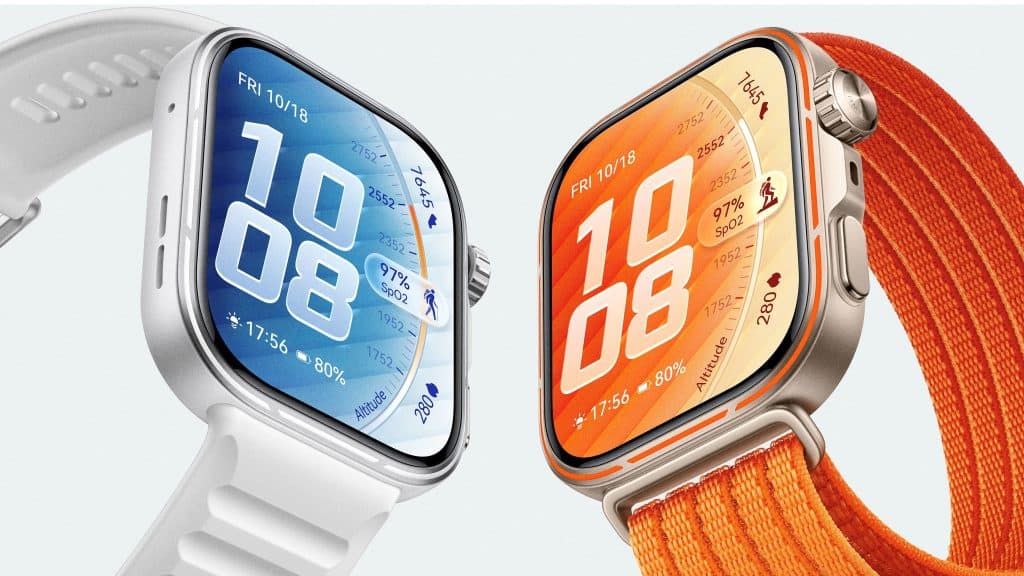
Enter the HUAWEI WATCH FIT 5 Series, launched in Bangkok in May 2026. Rather than positioning the device as a surveillance tool for employers, Huawei has focused on employee-centric satisfaction and voluntary engagement.
Warren captures this reality: “People have very active lives, very busy social lives, as well as professional lives. They may not be able to... fit fitness into their lives... any exercise is better than no exercise.”
This philosophy supports “episodic” wellness approaches that respect cognitive load and professional demands, consistent with academic research on wearable design favouring intentional, short interventions over constant tracking.
Relating this trend to the WATCH FIT 5 Series, Warren reveals: “We’ve introduced the mini workouts. The FIT product has been designed to meet their needs from a fashion point of view, but also from a feature set point of view. "

"These mini workouts recognise that people have very active lives, very busy social lives, as well as professional lives. They may not be able to schedule fitness. And so features like the mini workouts… we believe that any exercise is better than no exercise.” James Warren
Such micro-interventions lower barriers to entry. Unlike lengthy gym sessions that employees might skip, brief movement breaks are frictionless and sustainable, contributing to better energy levels, focus, and overall satisfaction during the workday.
B2B opportunities, ecosystem integration, and insurance alignment
Insurers and corporate wellness programs are exploring how wearable data can support incentive models. Warren notes the mutual benefits: combining smart wearables with health insurance can create “win-win” outcomes, where employees demonstrating healthy behaviours potentially receive rewards or reduced premiums, while insurers benefit from lower claims.
However, successful integration requires careful navigation of data privacy regulations, including China’s PIPL, Thailand’s PDPA, and similar frameworks across the region. Employers must prioritise consent, transparency, and aggregated (rather than individual) reporting to build trust.
Huawei and other providers emphasise open ecosystems, supporting interoperability with iOS and Android, as well as third-party app development. This openness allows businesses to integrate wearables into existing HR platforms, enhancing user engagement and developer innovation for tailored corporate solutions.
Challenges and considerations for Asian workplaces
Despite the promise, several hurdles exist. Privacy concerns remain paramount; employees worry about data misuse, especially in hierarchical cultures. Clear policies on data ownership and usage are essential.
Ergonomic needs differ across roles—office workers may benefit from discreet monitoring, while industrial staff require robust, motion-focused solutions. Engagement can also wane if devices feel intrusive or add to screen fatigue; passive, user-controlled designs perform better.
Cost and accessibility matter. While large multinationals can subsidise devices, smaller firms need scalable options. ROI studies generally show benefits through reduced absenteeism, lower healthcare costs, and improved retention, but results depend on thoughtful implementation.
The future of the quantified workplace
Looking ahead, wearables will likely play a larger role in hybrid wellness strategies. Industrial environments may leverage motion-sensing AI for safety, while knowledge workers use sophisticated trackers for metabolic and cardiovascular awareness. The market’s bifurcation toward discreet, episodic tools supports diverse workforce needs.
In Asia, where employee expectations around well-being are rising—particularly among younger generations—these technologies can enhance satisfaction, productivity, and loyalty. Gallup and regional reports underscore that strong wellness support correlates with better engagement and lower turnover.
As Warren summarises the guiding philosophy:
“The potential is limitless, and we encourage people to absolutely embrace all of the opportunities that technology brings. Technology should be exciting. It should make you happy and bring a smile to your face.” James Warrren
In high-stress Asian offices, the greatest innovation may be devices that quietly support health without adding to workloads—fostering environments where employees feel valued and capable of performing at their best.
This evolution positions wearables not as monitors, but as partners in the quantified workplace. By focusing on empowerment, prevention, and accessibility, they help redefine employee satisfaction—turning health data into meaningful improvements in daily work life and long-term organisational success.