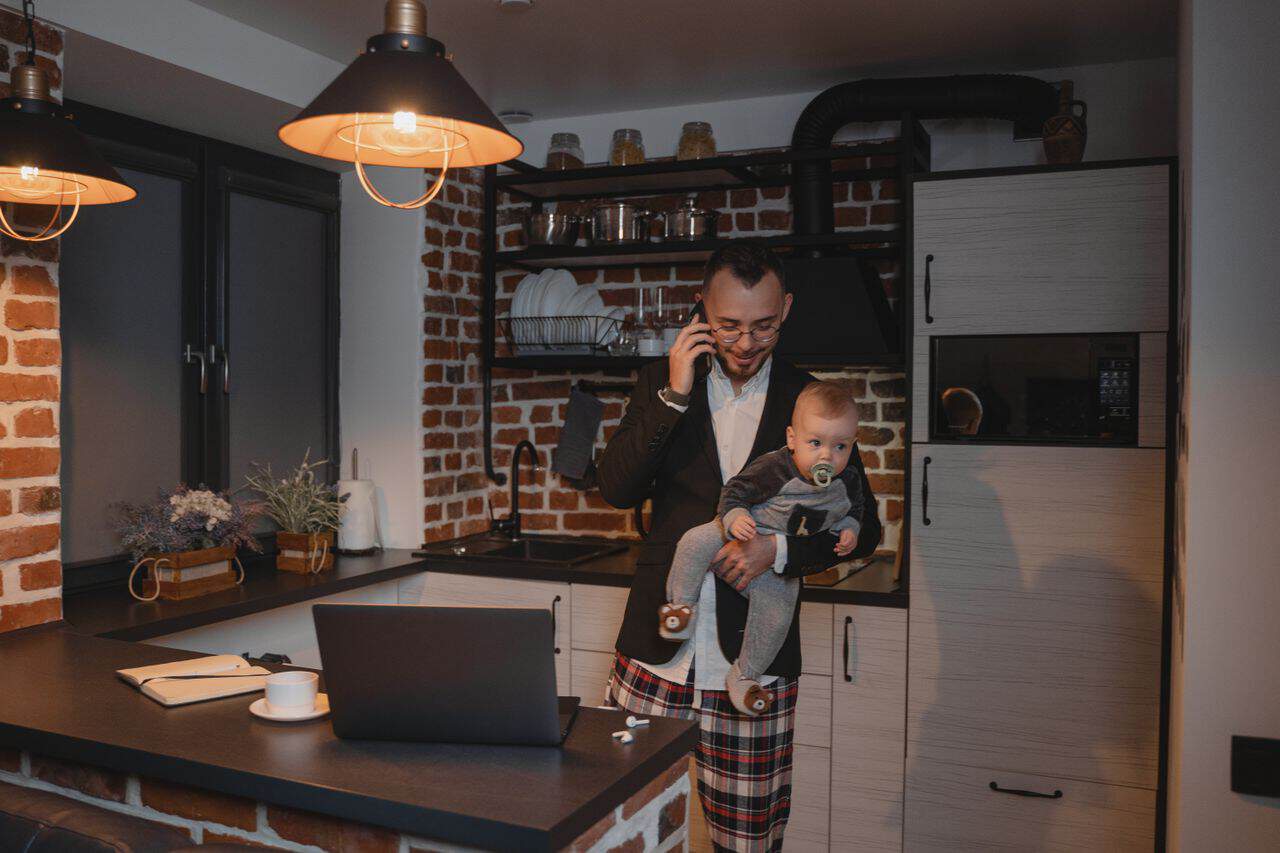
Nearly two in three employees in Singapore feel pressure to remain reachable outside normal working hours, even as flexible work arrangements become more common, according to a new Jobstreet by SEEK study.
The Singapore Workplace Culture Study found that 63% of employees feel the need to be “always-on” almost every day or several times a week. The study defines the term as being responsive and reachable, including outside working hours.
The findings highlight a growing disconnect between workplace flexibility and sustainable performance. While 27% of employees said they have experienced greater flexibility and work-life balance than in 2019, 52% said workplace culture has become more stressful. A further 46% said their job scopes have become more demanding.
Employers reported a similar pattern. Thirty per cent said their organisations provide greater flexibility and work-life balance, while 48% had observed increased workplace stress and 45% said job scopes had become more demanding.
Conducted with research firm Milieu Insight, the study surveyed 600 employees and jobseekers and 200 employers and hiring decision-makers in Singapore. It examined how flexibility, economic uncertainty, artificial intelligence, automation and changing expectations are reshaping workplace behaviour.
Employers also acknowledge the prevalence of always-on expectations: 85% said their organisations expect employees to be constantly available somewhat often or often.
However, the research points to a significant difference in how commitment is demonstrated and interpreted. Among employees who experience always-on pressure, 63% said they demonstrate commitment by responding quickly to requests, while 52% remain available outside working hours. Only 32% said they show commitment by taking initiative.
By contrast, employers said they primarily value ownership, cited by 49%, and outcomes, cited by 47%. The gap suggests that employees may interpret expectations around ownership and results as a requirement to respond immediately, remain visible or stay reachable.
“The disconnect is less about what each side wants and more about whether organisations clearly communicate what good performance looks like,” said Esther Lee, managing director, Singapore, Jobstreet by SEEK.
“Employers need to make it clear what employees are expected to deliver, when they need to be available and how their contributions will be recognised.” Esther Lee
The personal cost of always-on working is evident. Sixty-three per cent of affected employees said it had reduced their energy levels, while 47% reported lower job satisfaction. Yet the perceived career benefits were limited: 62% said always-on working had made no difference to career progression, and 59% said it had not improved recognition. Only 6% believed it was how people get ahead.
Employers also recognise the longer-term risks. Among organisations with always-on expectations, 66% saw short-term gains but a longer-term risk of burnout, while 15% associated the practice with disengagement and staff turnover. Nevertheless, 48% said they had no plans to introduce related policies in the foreseeable future.
Jobstreet by SEEK said sustainable performance requires a shift from availability to outcomes, from flexibility to sustainable work design, and from support on paper to support employees can use in practice.