Make no mistake, 2026 will be marked by further trade disruptions, geopolitical tensions, and economic uncertainty. Logistics executives must adjust their strategies to navigate what many are calling the "new normal."
According to the latest Agility Emerging Markets Index, 86% of surveyed logistics professionals anticipate increased volatility in 2026, with artificial intelligence (AI), cost control, and supply chain re-engineering emerging as critical tools to manage these challenges.
The survey, involving 503 industry professionals, indicates that AI adoption is nearly universal in the logistics sector—an impressive 98% of respondents report their companies are using AI to streamline operations within their supply chains.
This move towards technological integration comes as a response to ongoing shifts in global production, which have been exacerbated by events such as the COVID-19 pandemic and trade tensions between the U.S. and China.
"Business and government leaders understand there is no comfort zone in today’s environment," states Tarek Sultan, chairman of Agility. "They are actively exploring sustainable growth strategies amid extraordinary uncertainty."
AI is perceived not only as a contributor to this volatility but also as a powerful tool for managing it effectively.
The 2026 Agility Index also highlights that the Gulf Cooperation Council (GCC) nations are positioning themselves as vibrant logistics hubs, making significant investments in AI and talent development. The six Gulf countries have excelling business conditions and have made considerable strides in digital readiness, allowing them to maintain fruitful relationships with major economies.
“Volatility won’t derail the ambition of the Gulf nations,” the Index asserts.
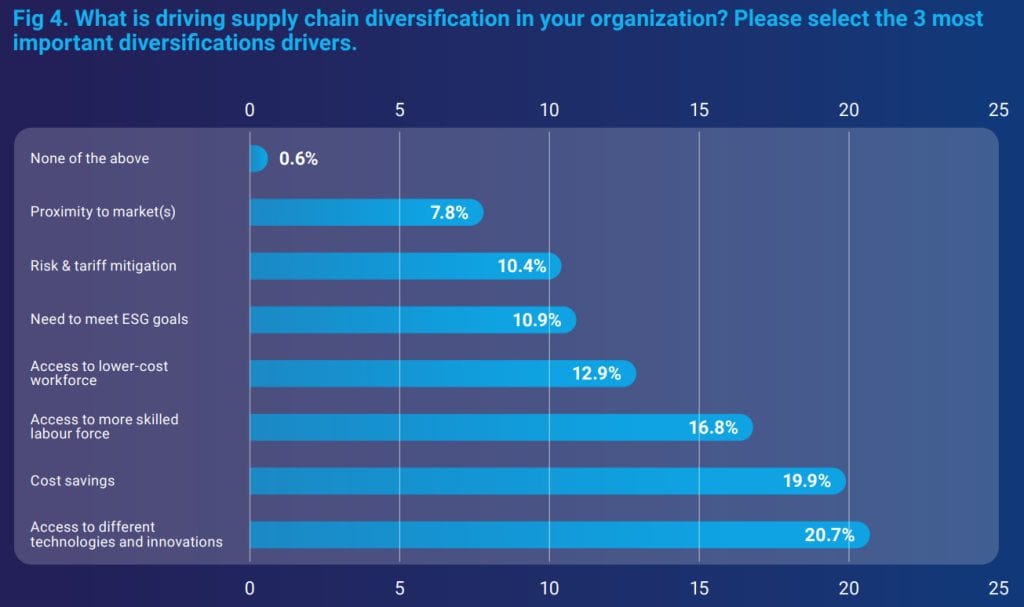
However, while focusing on innovation, logistics firms are also grappling with rising risks. Tariffs and trade protectionism are viewed as pressing threats, with many companies actively pursuing strategies such as supplier diversification and strategic warehousing to mitigate these risks.
For sustainability efforts, nearly half of the executives surveyed report a slowdown, attributing this to cost constraints and shifting priorities.
As the logistics industry confronts a landscape fraught with uncertainty, it appears clear that adaptability through advanced digital tools and strategic supply chain configurations will be essential for success in the turbulent year ahead.