

The "Vertiv Frontiers" report identifies several macro forces influencing innovation, including extreme densification, gigawatt scaling, and the need for adaptive liquid cooling solutions.
Scott Armul, Vertiv's chief product and technology officer, noted, “The data center industry is evolving in how it designs, builds, operates, and services facilities to meet the speed and density demands of AI workloads.”
The report emphasises that AI is not just a tool but a core component driving these transformative trends within the data centre landscape.
One of the highlights is the shift towards higher voltage direct current (DC) architectures. Traditional power distribution models, which often rely on hybrid AC/DC systems, are proving inadequate as power densities increase.
By moving towards higher voltage DC power systems, organisations can anticipate significant efficiencies, including reduced current and a streamlined number of conversion stages.
As AI workloads intensify, the adoption of on-site energy generation and microgrids will further bolster this transition.
Additionally, the report identifies the growing importance of distributed AI, especially within regulated sectors like finance, healthcare, and defence.
These industries may require dedicated AI environments maintained on-premises due to data residency and security concerns. Flexible and scalable high-density power and cooling systems will be critical in supporting these requirements.
The concept of energy autonomy also takes centre stage, spurred by recent challenges in power availability. The adoption of on-site power generation methods, including natural gas turbines, is seen as essential for enhancing resiliency in standalone data centers.
This mirrors a wider trend of organisations looking to bring their own power and cooling capabilities to mitigate risks.
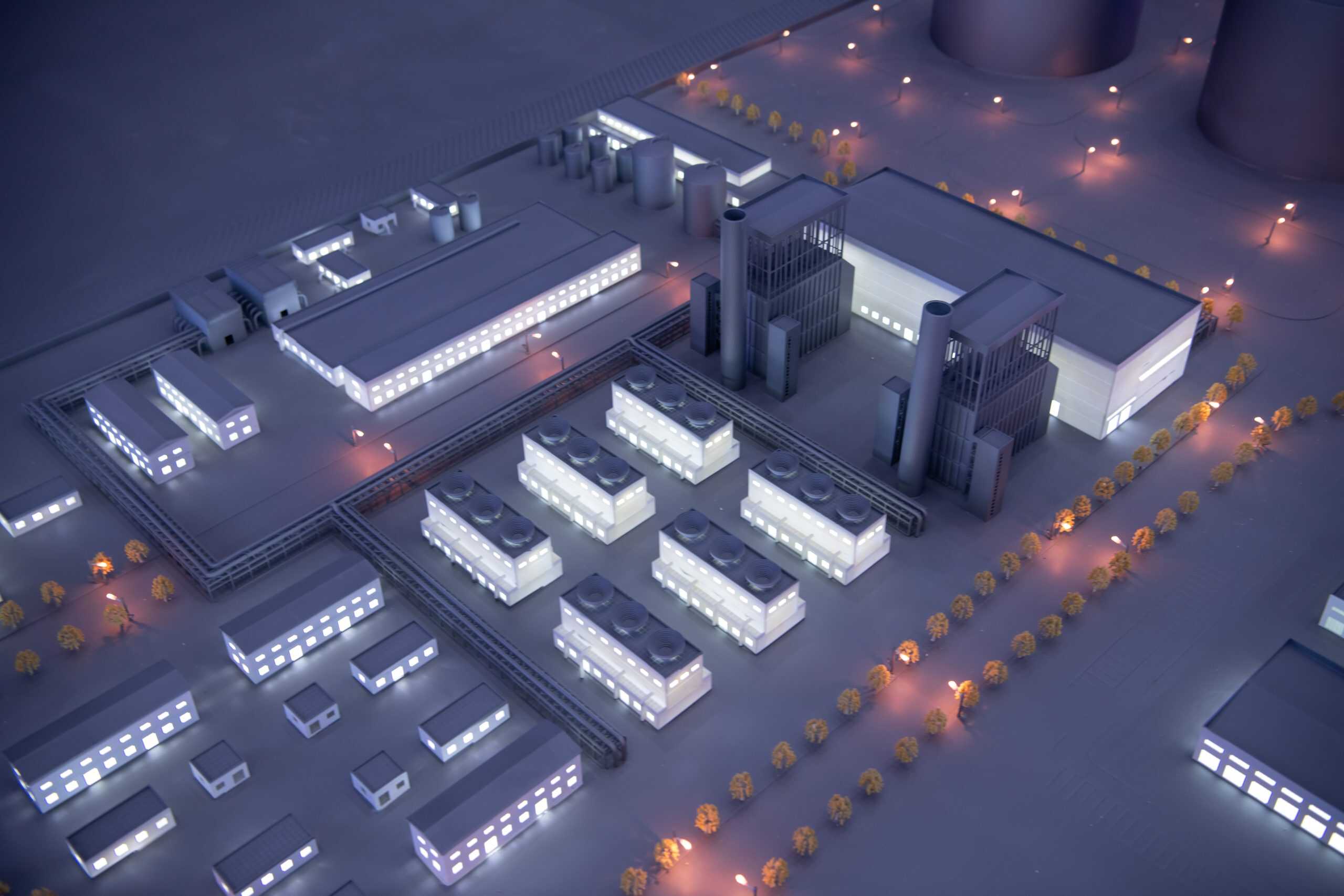
Digital twin technology plays a crucial role in designing and operating data centres more efficiently. By utilising AI-enabled tools, digital twin models can help map data centre layouts and integrate infrastructure, significantly reducing deployment times.
This method allows for tangible reductions in time-to-market for new data centre facilities, thereby addressing the gigawatt-scale demands of the AI era.
Finally, as AI continues to evolve, so too will liquid cooling systems. These solutions have become vital for managing the thermal challenges posed by high-density AI workloads. With AI's ability to optimise monitoring and control systems, data centre operators can enhance the reliability and performance of their cooling solutions.