Supply chains are entering a new phase of transformation driven by increasingly autonomous and interconnected technologies, with artificial intelligence at the core, according to Gartner’s latest outlook on top supply chain technology trends for 2026.
The research identifies a shift towards systems that are not only intelligent but also self-directed and accountable, reshaping how chief supply chain officers (CSCOs) design operations, manage risk and deliver business value.
Three themes shaping transformation
Gartner groups the emerging trends under three strategic themes: autonomy and agency, specialisation and intelligence, and trust and governance. Together, these reflect a move towards hyperconnected environments where digital and physical systems operate in tandem.
“This year’s trends highlight the growing role of AI as the foundation for more autonomous, intelligent and adaptive supply chains,” said Christian Titze, VP analyst and chief of research in Gartner’s Supply Chain practice. “Leaders must focus not only on deploying advanced technologies, but also on ensuring they work together to deliver measurable value and long-term resilience.”
Autonomy reshapes operations
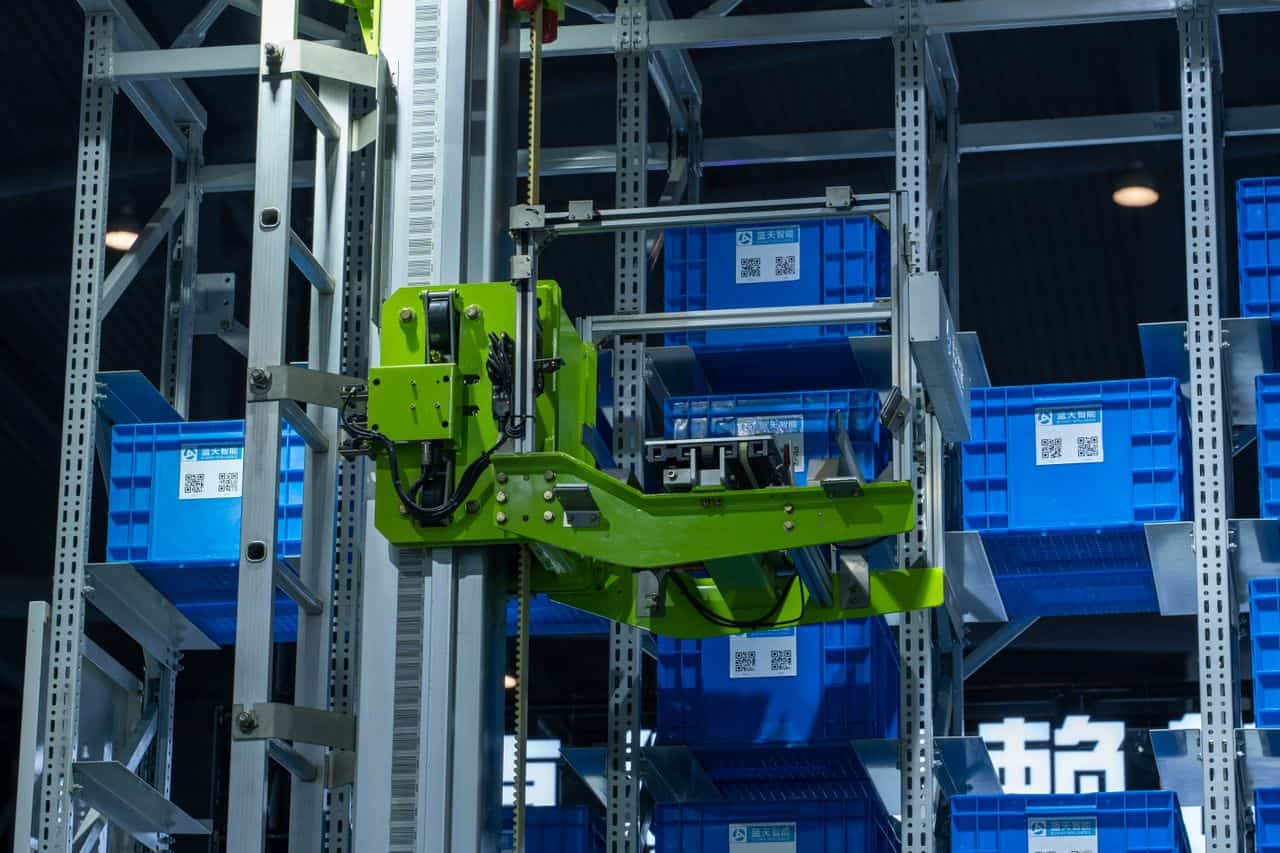
Technologies under the autonomy and agency theme point to a reconfiguration of operational models. Polyfunctional robots, for example, are evolving beyond single-task automation to perform multiple roles, offering a flexible response to ongoing labour shortages.
Physical AI is also gaining traction, combining AI models with sensors, robotics and automation to enable real-time decision-making across manufacturing, warehousing and logistics.
Meanwhile, agentic AI introduces a virtual workforce capable of planning and executing tasks independently, while collaborative multi-agent systems allow these digital workers to coordinate across complex workflows.
For COOs, the implication is a shift from process optimisation to orchestration of hybrid human-machine ecosystems.
Smarter, specialised intelligence
Under the specialisation and intelligence theme, Gartner highlights the growing importance of tailored AI models and advanced simulation tools. Intelligent simulation enhances predictive planning by integrating AI into modelling environments, enabling more dynamic and proactive decision-making.
Domain-specific language models, trained on supply chain data and workflows, are expected to improve accuracy and compliance in areas such as procurement, logistics and regulatory reporting. These tools allow organisations to move beyond generic AI applications towards more targeted, high-impact use cases.
Governance becomes critical
As AI adoption accelerates, governance is emerging as a central concern. Technologies supporting product provenance are enabling organisations to track the origin and movement of goods with greater transparency, driven by regulatory and consumer demands.
At the same time, decision governance frameworks are becoming essential to ensure that AI-driven decisions are explainable, auditable and aligned with corporate policies.
Titze emphasised that these trends represent more than incremental change. “They are catalysts for transforming supply chains. Organisations that proactively integrate these technologies in line with their business objectives will be better positioned to navigate disruption and maintain competitive advantage,” he said.