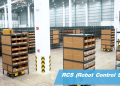
As the logistics landscape becomes increasingly complex, the role of warehouse management systems (WMS) is undergoing a significant transformation.
Enterprise software, HashMicro says effective warehouse operations are now pivotal for delivering performance, managing costs, and enhancing customer experiences. This shift is essential for educational institutions and businesses across Asia as they adapt to demands for scalability and efficiency.
Strategic role of warehousing
Modern warehouses are no longer just storage facilities; they are strategic engines driving operational success. HashMicro's analysis reveals that without up-to-date WMS, organisations often face challenges like inventory discrepancies, inefficient picking processes, and data fragmentation.
These issues not only inflate operational costs but also delay deliveries and degrade service reliability. Hence, the integration of intelligent, automated systems is imperative.
Core Priorities for WHS
As organisations consider warehouse management systems (WHS)/platforms in 2026, seven essential factors come to the forefront:
- Operational visibility: Real-time insight into stock levels and workflows is crucial for maintaining reliable data and operational governance.
- Automation: Streamlining processes such as receiving, picking, and packing through automation reduces manual errors and sustains throughput, especially during peak demand periods.
- Optimised fulfilment: Enhanced order processing efficiency contributes to improved speed and accuracy in fulfilling customer orders.
- Multi-warehouse coordination: With the expansion of warehouse networks, centralized systems that standardize operations across multiple locations become necessary.
- Intelligent forecasting: AI-driven tools that analyse historical demand and trends support better decision-making related to inventory and capacity management.
- Industry alignment: Tailored solutions that fit specific sectors, such as retail and logistics, are increasingly in demand, allowing for more effective deployments.
- Scalability and support: Ensuring ease of use and stability while providing long-term support structures is vital for successful integration.
The future of warehouse management
Moving forward, organisations that embrace advanced warehouse management platforms can expect not only to enhance their operational control but also to drive continuous innovation in forecasting and workflow optimisation.
By integrating WMS with other enterprise systems, supply chains can become more agile, ultimately improving service levels and response times.
As the landscape for warehouse operations evolves, heads of operations and educational institutions in Asia must remain informed about these trends to stay competitive.
The integration of modern warehouse management systems will likely position enterprises for greater efficiency, responsiveness, and sustainability in a demanding market.