Asia's business and operational leaders must be vigilant and agile in adapting to the rapidly evolving landscape of smart manufacturing and mobility. Forrester’s latest predictions illuminate the dynamic forces reshaping the industry, emphasising the paramount importance of resilience, innovation, and strategic leadership amidst ongoing geopolitical uncertainties.
One of the most significant shifts is the refocus of supply chain leadership towards growth. According to Forrester, over 50% of global manufacturers will transition from economies of scale to economies of scope, prioritising resilience over mere cost efficiency.
This evolution means that supply chain leaders are being tasked not only with operational oversight but with playing integral roles in corporate strategy. As the landscape changes, companies like General Motors and Siemens are leading the way by empowering their supply chain officers with cross-functional authority.
This shift reflects a proactive stance, where leaders are expected to anticipate customer needs swiftly and effectively.

“Geopolitical uncertainty, rebalancing where products get made and used, robots, and the influence of AI give manufacturers plenty to think about in 2026,” says Paul Miller, Forrester’s VP and Principal Analyst. “Manufacturers must walk the line between durable business transformation and expensive experiments.”
In mobility, the rise of robotaxis is set to redefine urban transportation, moving beyond initial trials in China and the US. Companies like Volkswagen are looking to operate autonomous vans in Hamburg without safety drivers by next year, while UK-based Wayve aims for paying passengers in London.
These advancements signal a global ambition to ease urban congestion and provide accessible transport options, particularly amidst rising urban populations in Southeast Asia.
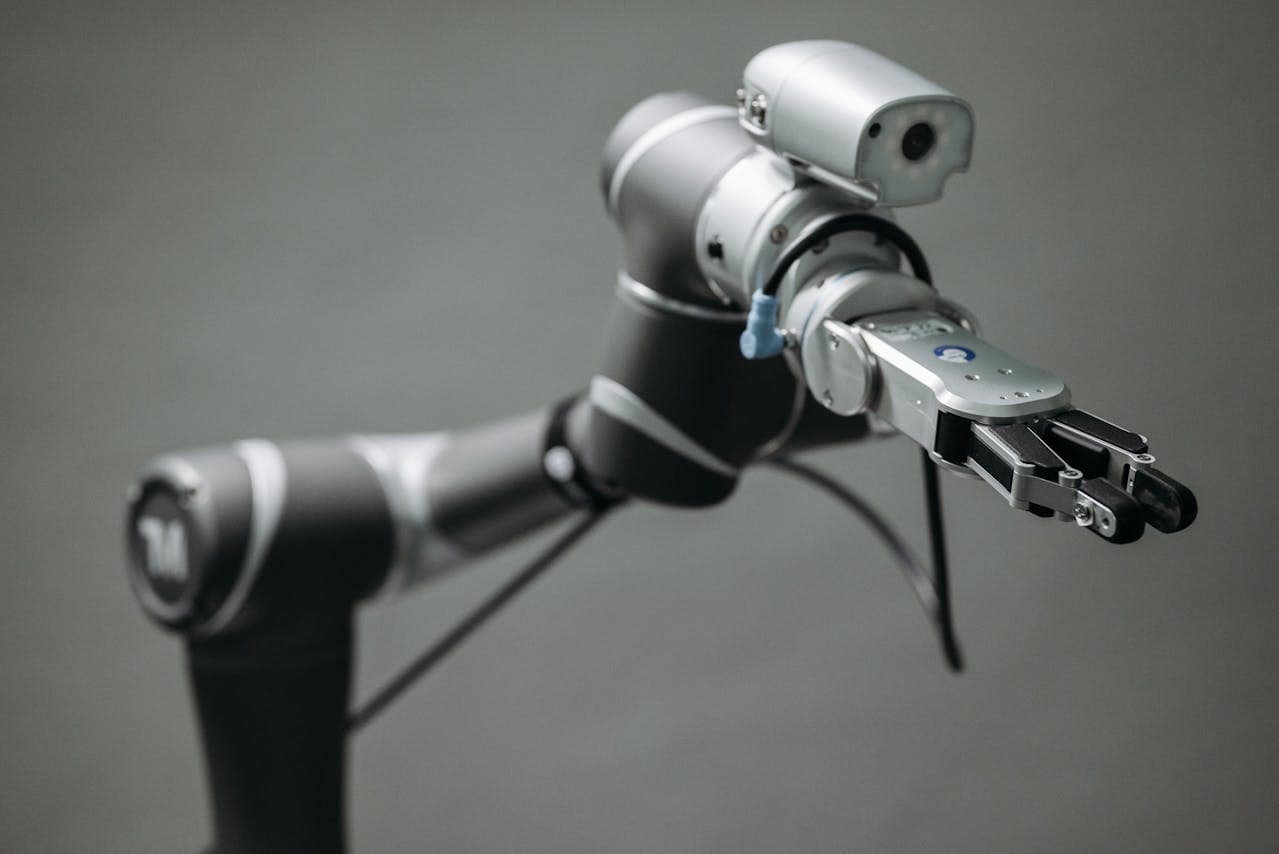
Furthermore, the forecast includes a cautionary note regarding the future of humanoid robots. While advancements in embodied AI promise progress, the reality is that only a handful of humanoid robots will see realistic, paid deployments in 2026. Manufacturing leaders are urged to focus on smarter alternatives—such as drones, collaborative robots, and robotic arms—to optimise productivity while navigating the complex dynamics of worker shortages.
In the automotive sector, Euro NCAP's new rules are poised to curb the advance of in-car screens. By mandating physical controls for safety-critical features, manufacturers will need to reconcile cost-cutting measures with safety demands, potentially stalling the trend towards fully digital interfaces.
This shift underscores a broader movement within automotive manufacturing to ensure the safety of both drivers and passengers, reinforcing that functionality cannot be sacrificed at the altar of aesthetics.
As business and operational leaders in Asia prepare for 2026, it is vital to harness these predictions not merely as trends but as strategic imperatives. Embracing a customer-focused, resilient approach will be essential to thrive in an era defined by rapid technological advancements and shifting consumer expectations.