

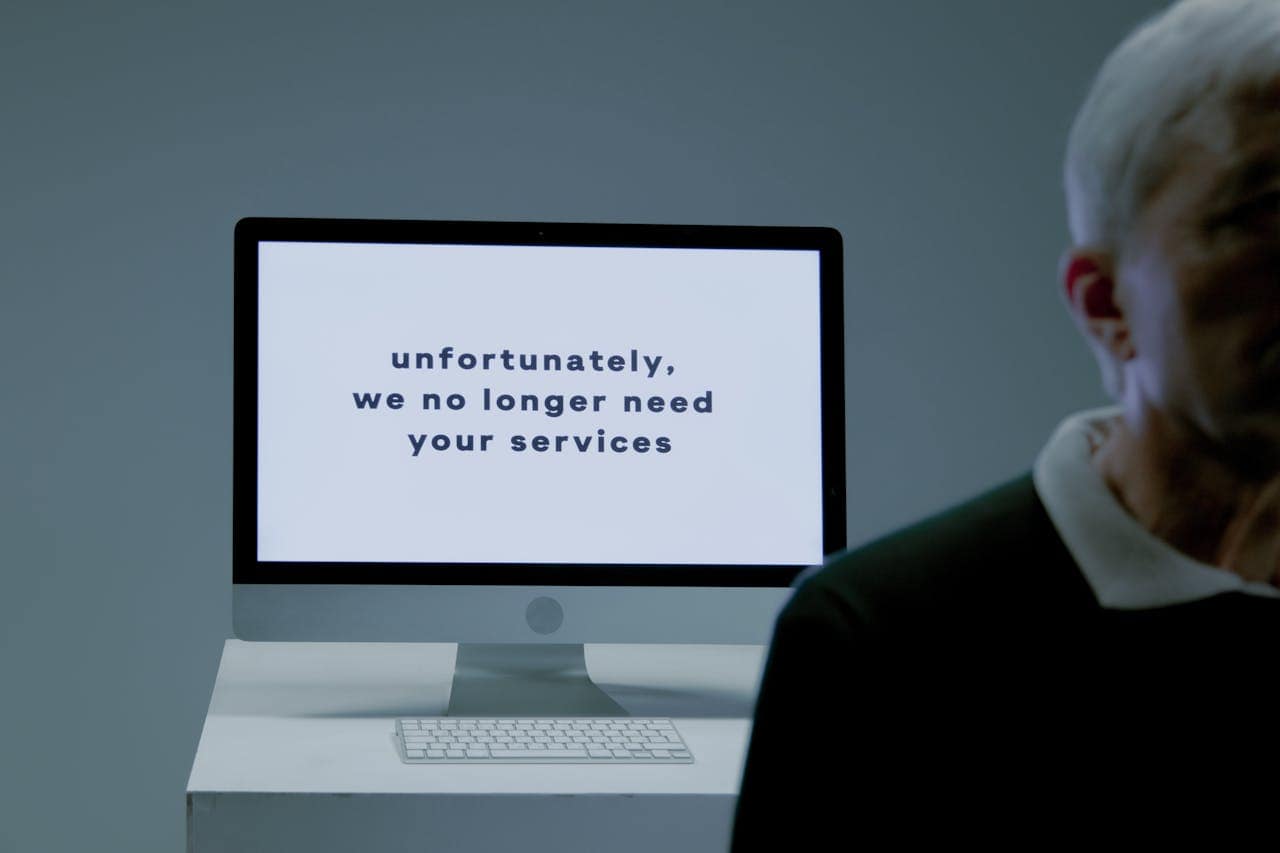
In the wake of AI advancements, Forrester Research's "2026 Future of Work Predictions" warns that AI-driven layoffs, substantial reductions in human resources staff, and stagnant employee engagement are likely to plague businesses throughout the year.
Despite optimistic projections for improved employee engagement heading into 2025, organisations are now confronted with heightened instability due to rapid AI disruption and ongoing global political tensions.
Current research indicates that employee engagement levels continue to languish, driven by the relentless pace of change rather than a lack of resilience among the workforce.
Several notable predictions for 2026 include:
- AI-attributed layoffs to be reversed: Forrester anticipates that half of the layoffs attributed to AI will be quietly rehired, albeit at lower salaries, often outsourced or offshored. This trend suggests that while companies may cite AI as the reason for downsizing, these layoffs are frequently rooted in financial motivations. Many employers may regret these decisions, especially as they discover that AI is not yet fully equipped to replace human talent. Instead, there’s a growing tendency to employ low-cost “ghost workers” to perform tasks that are misleadingly labelled as AI-driven.
- Drastic cuts in HR staffing: Forrester predicts that human resources departments could see staffing reductions of up to 50%. With organisations increasingly leaning on AI for productivity gains, HR will be pressured to demonstrate its strategic value. This urgency could lead to significant personnel cuts, compelling HR professionals to accelerate their integration of AI-powered tools for workforce management, despite potential pitfalls from overlooking effective solutions.
- Minimal growth in AI readiness: The likelihood of genuine improvements in AI readiness remains low. Forrester's findings reveal that only 16% of workers possessed a high artificial intelligence quotient (AIQ) in 2025, with inadequate investments in AI training across organisations; merely 23% provided prompt engineering training. Notably, while Gen Z workers exhibit the highest AIQ at 22%, they also face proportionately higher rates of layoffs.
Betsy Summers, Forrester’s principal analyst, emphasised the implications of these findings: "Amidst ambient disruption from AI and global politics, leaders will face significant challenges in 2026, including flawed AI-driven layoffs that lead to rehiring, drastic cuts to HR, and a growing employee disengagement."
"To succeed, leaders must focus on providing their workforce with the necessary tools, recognising their resilience, and involving them in redesigning for a better future of work." Betsy Summers
As organisations navigate this complex landscape, a critical examination of AI’s role in shaping the workforce may prove essential. While the integration of AI offers vast potential, it necessitates a strategic approach to ensure that the human element remains integral to organisational success.