The logisticis arm of Alibaba Group, Cainiao Network announced intent to establish a comprehensive network of robotic warehouses in 2026, enhancing fulfilment and delivery capabilities for cross-border e-commerce platforms and merchants. This strategic initiative aims to cater to key markets, including Hong Kong, China, the Netherlands, Spain, France, Germany, and the United States.
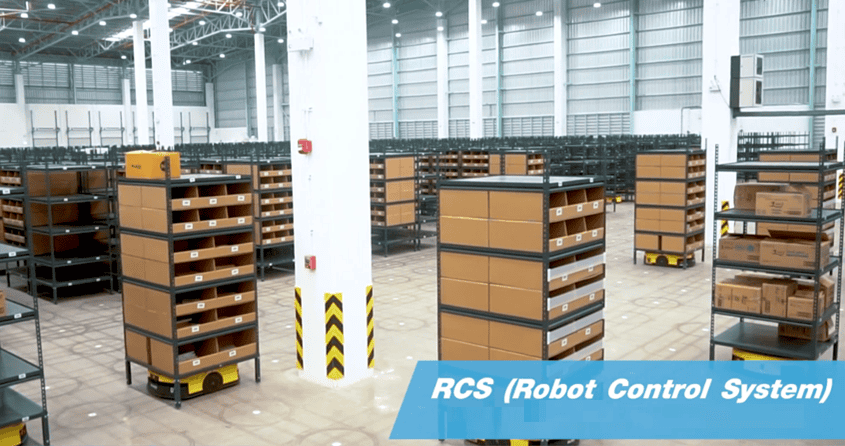
The new automated facilities will deploy Cainiao's self-developed next-generation warehouse robots, combined with an AI-powered scheduling system. These innovations promise to improve storage density and operational efficiency significantly compared to traditional automated warehouses.
“As the AI era arrives, we are accelerating the application of AI and robotics across our global supply chain network to enhance the consumer experience,” stated Shuai Yong, vice president of Cainiao and general manager of its global supply chain business.
This move aligns with industry trends, as analysts from Fortune Business Insights predict that the global warehouse robotics market will surge from approximately US$7.35 billion in 2026 to over US$25.41 billion by 2034. Increased consumer expectations for swift and reliable deliveries have compelled businesses to invest aggressively in advanced, flexible warehouse infrastructure.
Cainiao’s approach redefines logistics operations by leveraging AI and automation, fundamentally transforming how goods are stored, transported, and delivered. The company is not just automating existing processes; it is re-engineering workflows for optimisation and efficiency.
The development of next-generation logistics robots is complemented by Cainiao's commitment to integrating AI throughout the end-to-end supply chain. This includes enhanced demand forecasting using big data and machine learning, which helps minimize overstock and stockouts, as well as streamlined customs clearance processes through AI-driven compliance automation.
Moreover, Cainiao's capabilities enable it to offer advanced services such as bundled shipments, direct inbounding of unpackaged goods, and secondary assembly within warehouses. These services are aimed at optimising packaging, reducing waste, and lowering logistics costs while maintaining service quality.
As one of the logistics firms with robust technology capabilities, Cainiao operates more than 40 overseas warehouses across 18 countries and regions. This global presence allows the company to refine its AI and robotics solutions in complex, real-world environments, catering to a diverse range of sectors including auto parts, consumer electronics, and furniture.
This expansion underscores the importance of adopting advanced logistics technologies to remain competitive in the booming e-commerce sector. Cainiao’s innovative solutions may serve as a blueprint for enhancing operational efficiency and responding swiftly to market demands.